A UL rated fire door for commercial use is a tested assembly, not a single door leaf. The rating only applies to the exact combination of leaf, frame, hinges, locks and seals, and the label carries the standard, rating in minutes and tested opening size. When a project spec says UL 10C, the whole opening must match the tested set. Commercial buyers see terms like UL 10B and UL 10C in specs, but the letters matter less than whether the complete assembly matches the opening and the building code.
What UL 10B and UL 10C mean
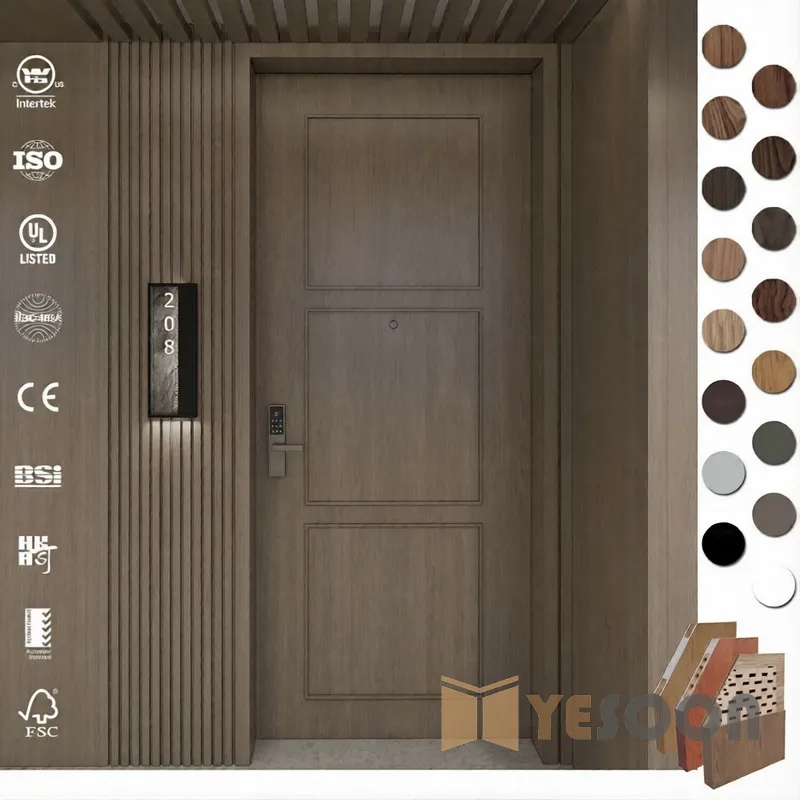
UL 10B and UL 10C are the two common US standards for fire door assemblies. The older UL 10B tests the door with a specific hose stream, while UL 10C adds the temperature-rise requirement for the unexposed surface, which matters when people use the corridor on the other side. Most current commercial projects specify UL 10C because it covers both fire and heat transfer. The label on the door frame should state the standard, the rating in minutes, and the tested opening size.
The rating is for the whole assembly
A fire door fails its rating if the frame is not part of the same tested set, the hinges are swapped, or the lock is changed. Buyers should ask the supplier for the test report that names the exact model, frame type, hardware, and maximum opening. A certificate that only covers the door leaf is not enough for a code inspection.
Common ratings and where they apply
The most common ratings are 45, 60, 90, and 180 minutes. Stairwells and elevator lobbies usually need 60 or 90 minutes, while walls between major fire compartments can require 120 or 180 minutes. The building code and the fire marshal determine what each opening needs, so confirm the required rating before ordering.
Steel vs other materials
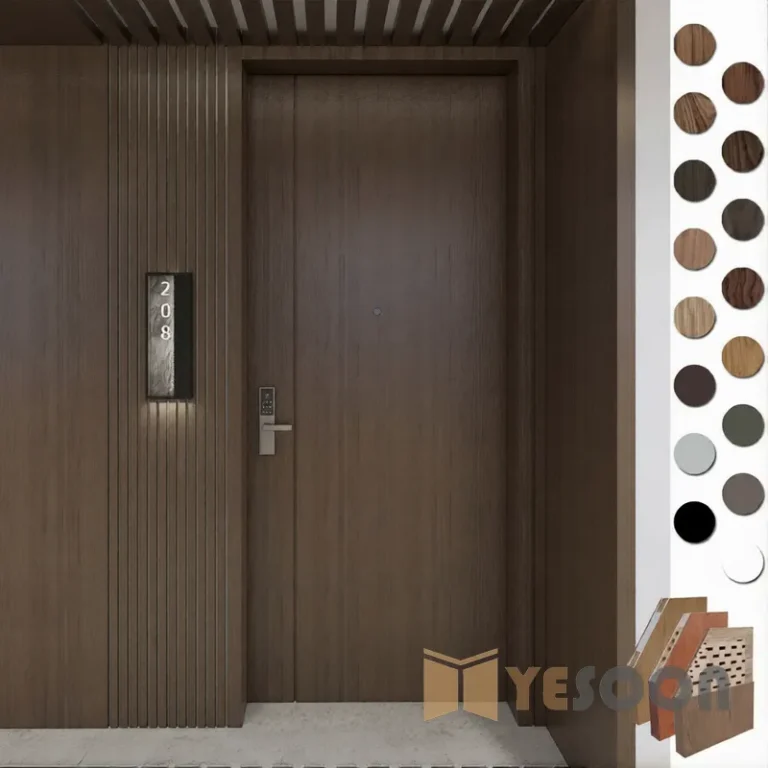
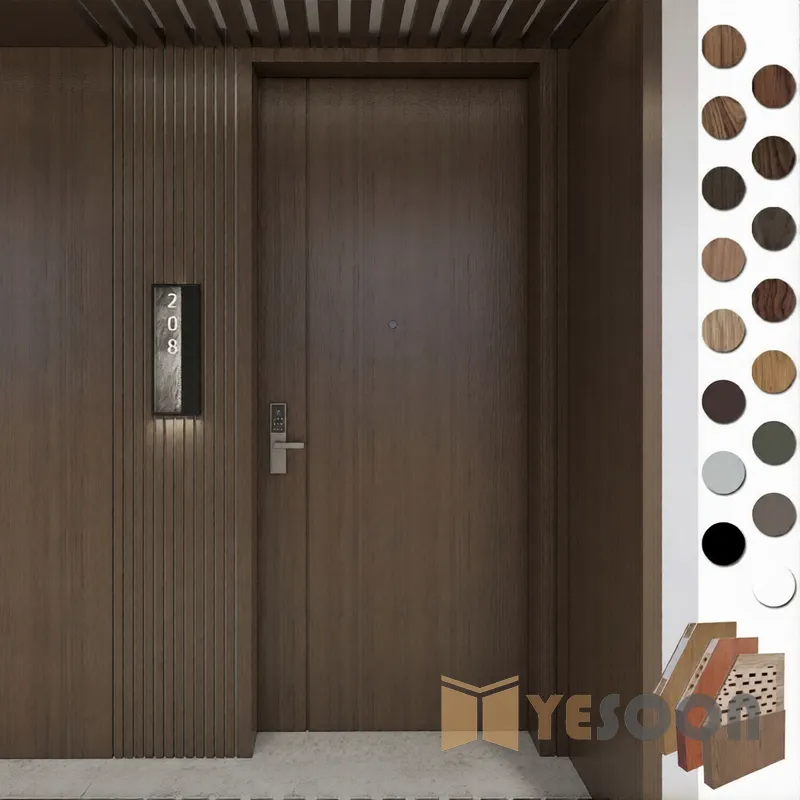
Steel is the standard choice for commercial fire doors because it holds its rating at large sizes and stands up to daily traffic. Wood fire doors exist for interior spaces where appearance matters, but the wood assembly must still pass the same UL test. Glass and aluminum fire rated doors are available for lobbies, with the rating limited by the tested glass size.
What to check before ordering
Confirm the rating and standard, the maximum tested width and height, the frame and hardware package, the temperature rise if the corridor is occupied, and whether the door is rated for the smoke seal. Ask for the certificate by model and opening size, not a brochure claim.
Send your opening size and required rating to Yesoon Door. Browse fire rated doors and the UL certified 3-hour steel fire door, or read our commercial fire door guide. Yesoon Door
For project pricing and export documents, see our fire rated roller door page and our Africa project export page.
Request a quote
Tell us the opening size, project location, quantity and any required certification. We will confirm the suitable specification, export documents and factory price.
Related guides
Roller Shutter Door Maintenance Schedule: How Often to Service
Garage Fire Door Replacement: Signs, Ratings, and Sizing
FD30 Fire Doors: What the Rating Means
Related guides
Commercial Overhead Door Installation: What Contractors Need to Know
Fire Shutter Code Requirements: What NFPA 80 and IBC Actually Require