Why a maintenance schedule matters
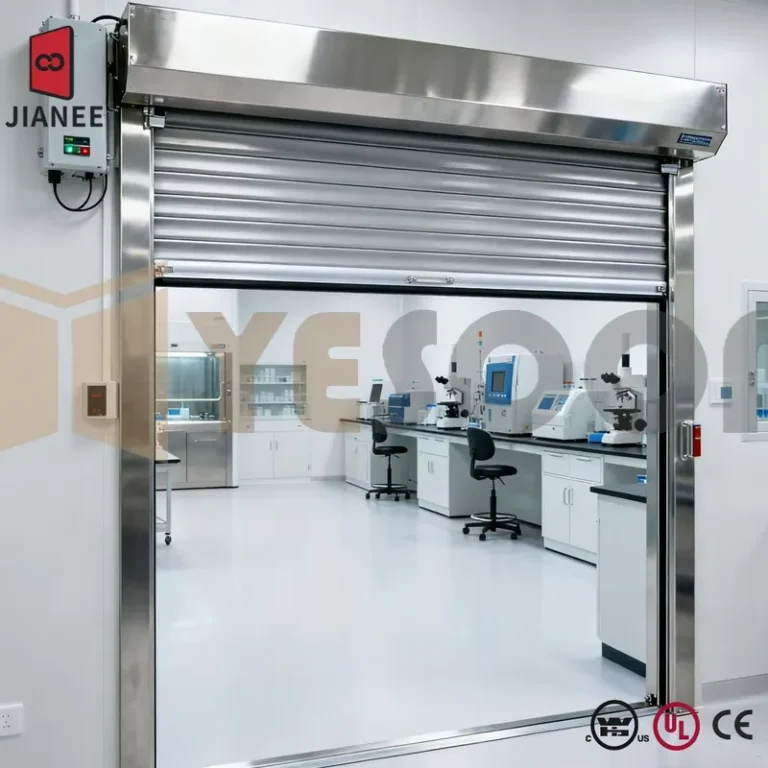
A roller shutter door that runs 50 cycles a day will open and close 18,000 times a year. Without scheduled maintenance, the barrel springs lose tension, the guides collect debris, the motor brushes wear down, and the curtain edge seals compress. The first sign of trouble is usually a door that opens slower than usual or a motor that draws excess current. By then, the damage is already done.
Building codes, insurance policies, and fire safety regulations all require documented maintenance. NFPA 80 requires annual drop tests for fire-rated rolling doors. OSHA expects employers to maintain safe equipment. A written maintenance schedule protects you in an audit and keeps the door running.
Maintenance frequency by door type
Fire-rated rolling steel doors: NFPA 80 requires a drop test annually. The test confirms the door closes under gravity when the fusible link or fire alarm releases it. Between drop tests, inspect the fusible links, guides, bottom bar, and closure mechanism quarterly. Document every inspection.
Commercial rolling doors (non-fire-rated): service every 6 months for doors running 25+ cycles per day, or annually for doors running fewer than 25 cycles. The service includes spring tension check, guide cleaning, motor inspection, and safety device testing.
High-speed fabric doors: service every 3 months. These doors run 50-100+ cycles per day in temperature-controlled environments. The fabric curtain, motor drive, and photo-eye sensors need frequent attention.
Retail security shutters: service every 12 months. These doors run low cycles but need the lock cylinders, guide tracks, and manual override checked for security.
Warehouse loading dock doors: service every 3-6 months depending on cycle count. Loading dock doors take the heaviest abuse from forklift impacts, product loads, and weather exposure.
Component-level maintenance checklist
Springs and counterbalance: check tension every 6 months. A spring that has lost 10 percent of its tension will cause the motor to work harder and the door to close unevenly. Replace springs at the first sign of fatigue.
Guides and tracks: clean and lubricate quarterly. Debris in the guides causes the curtain to bind, which strains the motor and can damage the slat interlocks. Use a dry lubricant, not grease, which collects dust.
Motor and controls: inspect every 6 months. Check the motor brushes, wiring connections, limit switches, and the manual override chain. Test the safety photo-eyes and sensing edges.
Bottom bar and weather seal: check every 6 months. The bottom bar should be straight, the weather seal should compress against the floor evenly, and the end caps should be intact.
Fusible links and fire alarm connection (fire-rated doors only): inspect quarterly, drop test annually. Verify the link is at the correct height, the chain is unobstructed, and the fire alarm panel sends a closure signal to the door release.
Curtain and slats: inspect annually for dents, corrosion, and interlock damage. Replace bent slats before they cause tracking problems. On steel curtains, check for rust at the bottom of the guides where moisture collects.
Building a maintenance schedule
A defensible maintenance schedule includes:
- Door identifier (location, model, serial number)
- Door type (fire-rated, commercial, high-speed, retail)
- Cycle count per day (actual or estimated)
- Required service frequency (monthly, quarterly, semi-annual, annual)
- Component checklist for each service interval
- Responsible party (in-house maintenance, door contractor, or fire safety contractor)
- Record of completed services with dates and findings
Keep the schedule with the building maintenance records. Fire marshal inspections and insurance audits will ask for it.
Signs a door needs service before the scheduled date
Call for service if you notice any of these between scheduled visits:
- The door opens or closes slower than normal
- The motor hums or trips the breaker
- The curtain tracks unevenly or binds in the guides
- The door does not fully close or the bottom seal gaps
- The manual override is difficult to operate
- You hear grinding, squeaking, or rattling during operation
- The fire-rated door fails a monthly visual inspection of the fusible link
Ignoring these signs leads to motor burnout, curtain damage, or a fire door that will not close in an emergency.
Roller shutter maintenance FAQ
How long do roller shutter doors last?
A well-maintained roller shutter door lasts 15 to 25 years. The curtain can last longer, but the springs, motor brushes, seals, and safety devices wear out on a schedule. Doors in dusty or coastal environments and doors with high cycle counts wear faster. Replacing springs and seals as they fatigue is cheaper than replacing the whole door.
Why is my roller shutter slow to open?
The usual causes are spring tension loss, dirty guides, worn motor brushes, a binding bottom bar, or low voltage to the motor. Start with the cheapest checks: clean and lubricate the guides, verify the springs lift the curtain evenly, and test the motor under full load. If the door was fast before and gradually slowed, worn springs or motor brushes are the likely reason. If it slowed suddenly, check the guides and bottom bar for damage first.
How often should a commercial roll up door be serviced?
Service commercial roll up doors every 6 months when they run 25 or more cycles per day, and annually when they run fewer. Fire-rated doors add an annual drop test under NFPA 80. High-speed doors used in cold stores or production lines need quarterly service because they cycle far more often.
What does roll up shutter reinforcement involve?
Reinforcement adds strength where the door takes abuse: wind-lock rails for exterior openings, a reinforced bottom bar, extra guide brackets, and heavier barrel supports. Security shutters can also get locking bars or anti-lift brackets. The right package depends on wind load, exposure, and how much force the door faces from vehicles or attempted break-ins.
What counts as preventive maintenance for a shutter?
Preventive maintenance is scheduled work done before a failure: cleaning guides and slats, lubricating moving parts with a dry lubricant, checking spring tension, testing safety photocells and sensing edges, inspecting the bottom bar and seals, and verifying the emergency release. It is the work that keeps the door from failing during a fire inspection or a busy shift.
How do I clean a roll up door?
Wipe the curtain with a mild detergent and water, rinse, and dry it. Do not use abrasive pads or solvent on painted or coated slats. Clean the guides with a brush, then apply a dry lubricant to the moving parts. Grease collects dust and makes the door slower, so it is the wrong choice for guides.
Related guides
Rolling Shutter Door Maintenance Guide
Fire Shutter Code Requirements Guide
Commercial Overhead Door Installation Guide