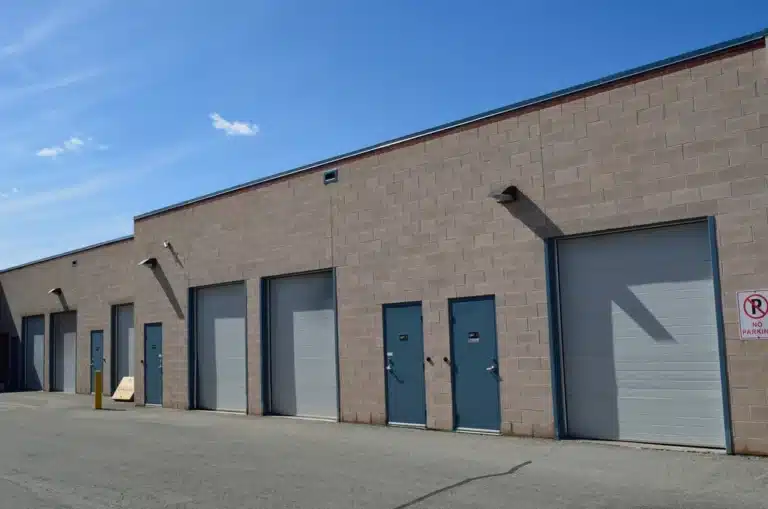
US importers frequently buy steel doors, fire doors, and rolling shutters from China because the factories can build custom sizes at competitive prices. The risk is not the product but the paperwork and compliance. This guide walks through the import steps so your first container clears customs without surprises.
Documents you need
| Document | Purpose |
|---|---|
| Commercial invoice | Declares value, quantity, and description |
| Packing list | Lists cartons, weight, and dimensions |
| Bill of lading | Proof of shipment and title |
| Certificate of origin | Verifies the country of manufacture |
| Test report / certificate | Required for fire-rated or code-compliant doors |
HS codes and duty
Doors and windows generally fall under HS 4418 (wooden) or HS 7308 (steel). The exact code and duty rate depend on the material and finishing. Confirm the correct 10-digit HTS code with your customs broker before shipment to avoid overpayment or delays.
Import checklist
- Verify the door assembly is certified for your project
- Confirm the HS code and duty rate
- Request a full document package before loading
- Use third-party inspection for high-value orders
- Check for anti-dumping or Section 301 duties on this product
- Ship FOB or CIF, then clear with a licensed broker
FAQ
Do fire-rated doors need special import documents?
Yes. Fire-rated doors should ship with the test report and certificate that match the exact model. US inspectors may request the documentation before the project can close.
How long does sea freight take from Guangzhou to the USA?
Typically 50-70 working days depending on the port and route. Add 5-15 working days for customs clearance and inland delivery.
Can I import small quantities?
Yes, but FOB and LCL (less than container load) costs are higher per unit. For repeat orders, a full container is usually the best value.
Send your door schedule and documents requirement to Yesoon Door, or read our guide on buying steel doors without risk. Yesoon Door
Request a quote
Tell us the opening size, project location, quantity and any required certification. We will confirm the specification, lead time, export documents and factory price.
Fire rated openings need more paperwork than a standard security door. Ask for the rating report, assembly dimensions, packaging plan and shipping documents before booking freight; our fire rated roller door guide explains which assembly details should be confirmed.