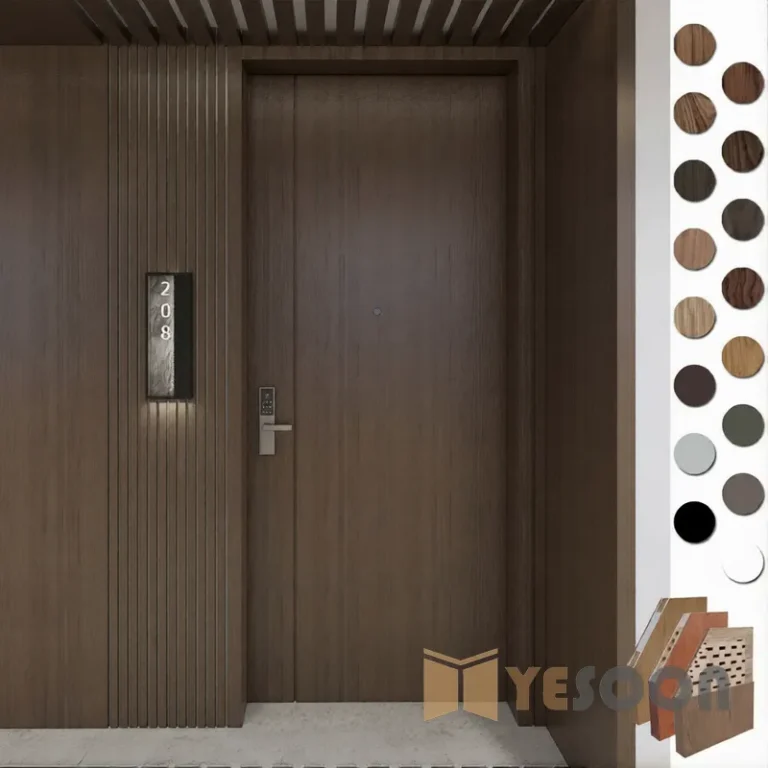
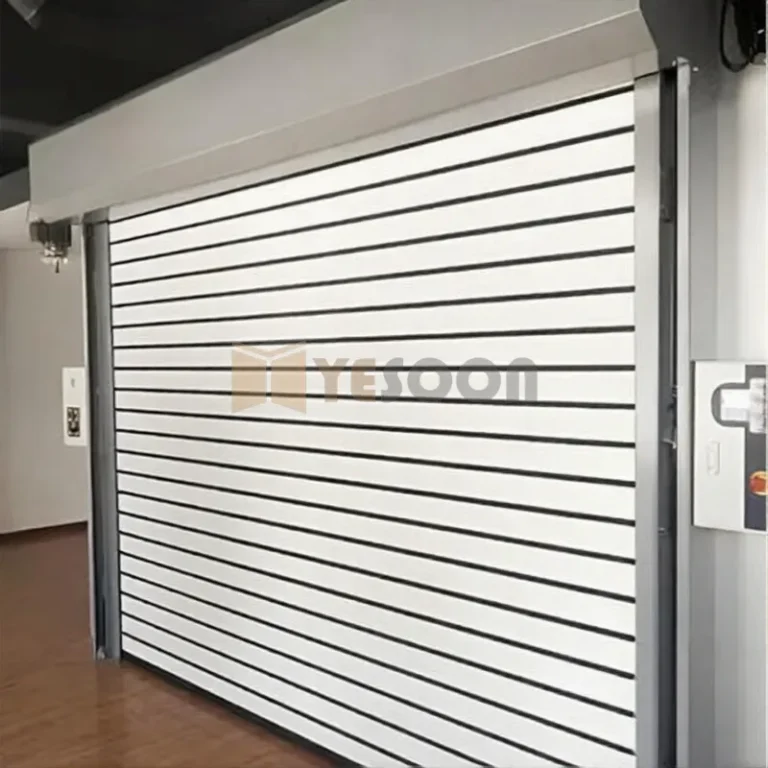
Commercial buyers often focus on the door price and forget operating cycles, insulation, and wind resistance. A warehouse door, a fire station bay door, and a coastal factory door need different specifications. This guide helps you compare steel, aluminum, and insulated commercial garage doors before requesting a quote.
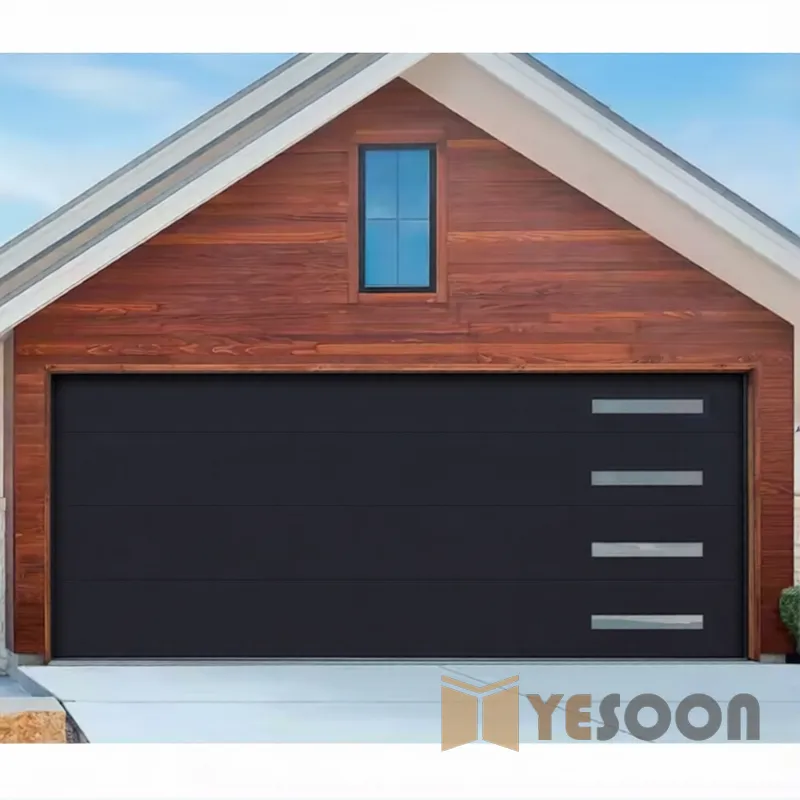
What makes a door “commercial grade”?
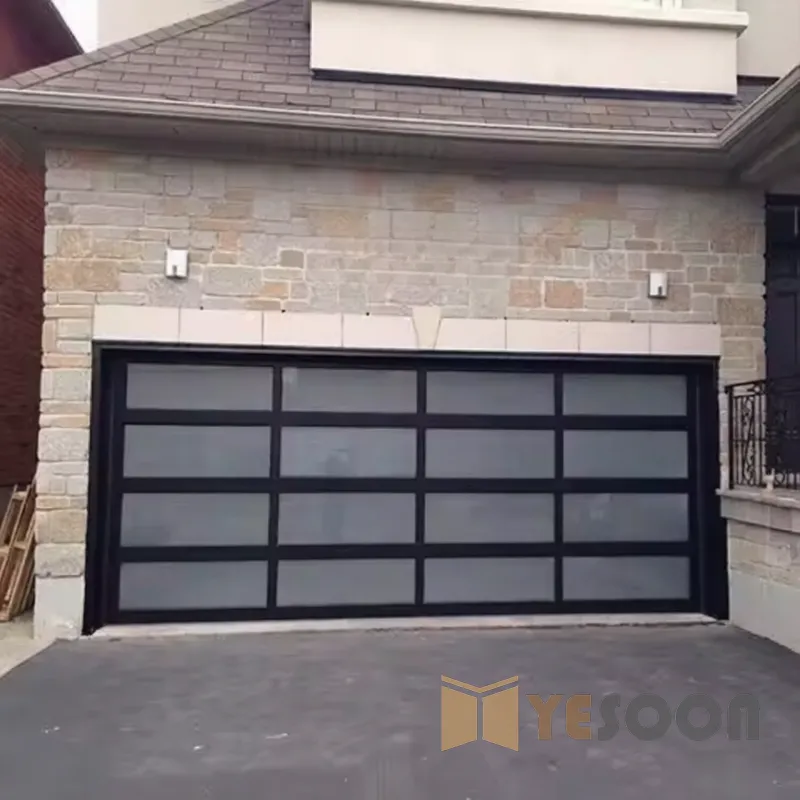
Commercial doors usually need heavy-duty tracks, stronger springs, more powerful operators, and safety devices. The right specification depends on the number of cycles per day, the opening size, and local building requirements.
Material comparison
| Material | Strength | Corrosion resistance | Best for |
|---|---|---|---|
| Galvanized steel | Excellent | Good with coating | Warehouses, factories, security-sensitive sites |
| Aluminum | Good | Excellent | Coastal areas, showrooms, glass panel designs |
| Insulated steel | Excellent | Good with coating | Temperature-controlled buildings, offices, workshops |
| Glass and aluminum | Moderate | Excellent | Showrooms, entrances, architectural projects |
Key specification checklist
- Confirm the opening width, height, and available headroom
- Estimate cycles per day to choose the right spring and operator class
- Check wind load requirements for coastal or high-rise areas
- Decide whether insulation and thermal breaks are needed
- Choose safety features: photoelectric sensors, edge sensors, and manual release
- Request certification documents for wind, fire, or impact ratings
FAQ
What is the difference between a residential and commercial garage door?
Commercial doors are built for more cycles per day, larger openings, stronger components, and often higher wind or fire ratings. They also require commercial operators and safety devices.
Are aluminum garage doors strong enough for industrial use?
Aluminum doors are strong for many applications, especially when paired with steel reinforcement. For high-impact or high-security industrial sites, galvanized steel is usually the safer choice.
Do insulated garage doors help reduce heating costs?
Yes. Insulated panels with thermal breaks reduce heat transfer and improve comfort in warehouses and workshops. Confirm the panel R-value or U-value with the manufacturer.
Compare commercial steel and aluminum garage doors or read our comparison of sectional garage doors vs rolling shutter doors.
Related Products
Browse sectional garage doors, garage doors and more factory direct door and window solutions.
Request a quote
Tell us the opening size, project location, quantity and any required certification. We will confirm the specification, lead time, export documents and factory price.
Related guides
Commercial Overhead Door Installation: What Contractors Need to Know
Fire Shutter Code Requirements: What NFPA 80 and IBC Actually Require