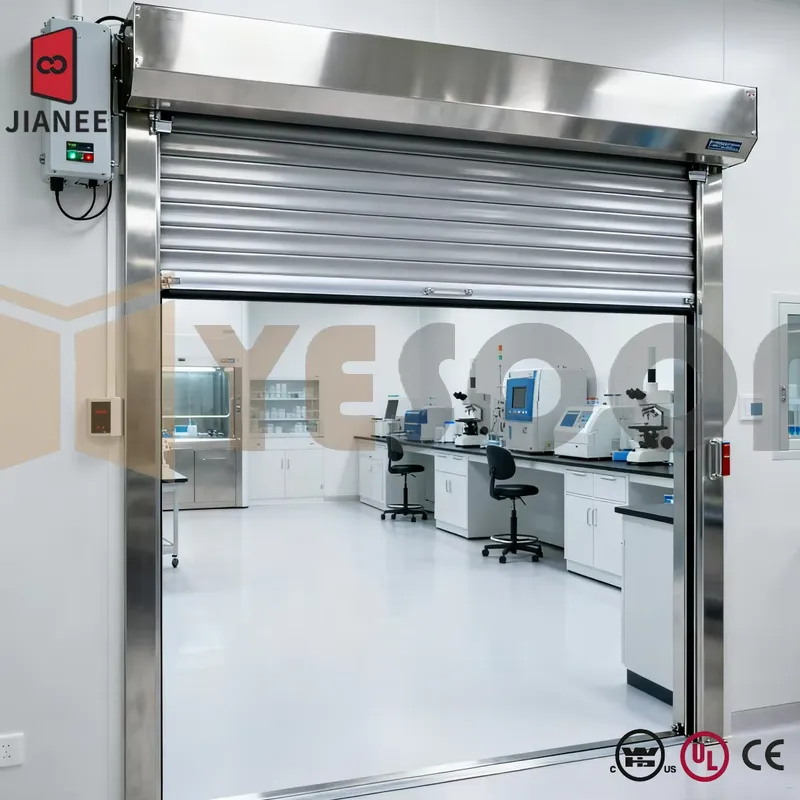
A fire rated rolling shutter door has to do two jobs at once. It closes off an opening like any roller shutter, and it stops fire and smoke from spreading for a set time. The rating only counts if the whole assembly is certified, not just the slats or the motor. If you are comparing prices from different suppliers, start with the certificate, because that is the one thing you cannot swap out later.
What the rating means
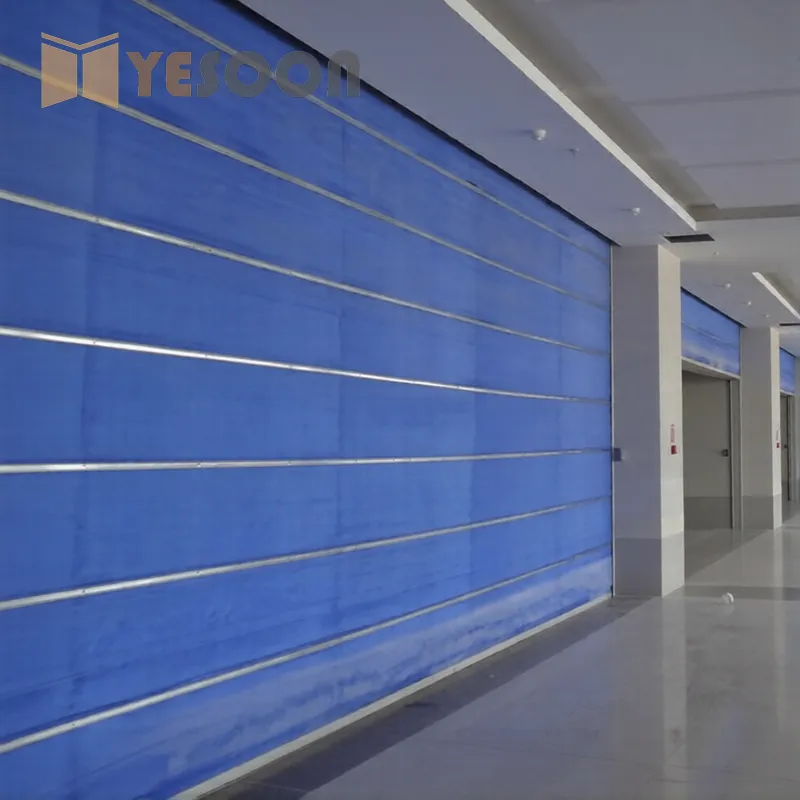
The fire resistance time is the number of minutes the closed door keeps the fire side from passing heat and smoke. Common ratings are 60, 90, 120, and 180 minutes, depending on the local code. In the US you will usually see UL 10B or UL 10C, and in the EU you will see EN 1634-1 with labels like EI60 or EI120. A 90-minute door and a 120-minute door are different products with different cost and weight, so match the rating to the building code before you ask for a quote.
What has to be certified
The certificate covers the complete tested assembly: the slat curtain, the guides, the bottom bar, the barrel, the brackets, and the motor if the door is motorized. If you change the width beyond the tested range, switch the motor, or use non-standard fixings, the assembly no longer has a valid rating in most jurisdictions. Ask the supplier for the test report that names the exact model, opening size, and component list. If they only send a generic brochure claim, that is not a certificate.
Fire rated vs regular roller shutter
The differences show up in material and construction. Fire rated slats are usually steel and thicker than a standard security shutter, the guides are deeper so the curtain stays seated under heat, and the bottom bar and seals are designed to hold back smoke. The motor, if present, should be rated for the duty and kept on the correct side of the wall. A standard rolling shutter door is cheaper, but it is not a substitute when the project calls for a rated opening.
Openings where they are used
Fire rated roller shutters are common in stairwells, elevator lobbies, corridors, plant rooms, and warehouse partitions where a fire separation is needed but a swinging door does not fit. Because they roll up, they save wall space and suit wide openings. That is the usual reason architects pick a rolling fire shutter over a conventional fire door.
What to send when requesting a quote
Send the clear opening width and height, the fire rating you need, the wall type, the headroom available, whether the door must be motorized, and how often it will open. That last point matters because a high-cycle motor is built differently from a low-cycle one. With those details, a factory can quote the exact assembly instead of guessing.
FAQ
Does a fire rated rolling shutter need a motor?
No. Manual and motorized versions both exist. If you motorize, the operator and its wiring are part of the certified assembly, so specify it from the start.
Can the same door work as a security shutter too?
Yes. A fire rated steel roller shutter also resists forced entry, but the two ratings are separate. Tell the supplier both requirements if you need both.
How much headroom does a rolling fire shutter need?
It depends on the door height and the slat barrel diameter. Confirm the finished opening and available headroom with the factory before ordering, because the barrel sits above the opening.
Send your opening size and required rating to Yesoon Door. Browse fire resistant rolling doors and the UL certified 3-hour steel fire door, or read our commercial fire rated door guide. Yesoon Door
For project pricing and export documents, see our fire rated roller door page and our Africa project export page.
Request a quote
Tell us the opening size, project location, quantity and any required certification. We will confirm the suitable specification, export documents and factory price.