Glass can look open and modern while still providing fire separation, but not every “fireproof” glass is the same. Fire-rated glazing is tested as part of a complete door or window assembly. This guide explains the standards, ratings, and specification steps for commercial projects.
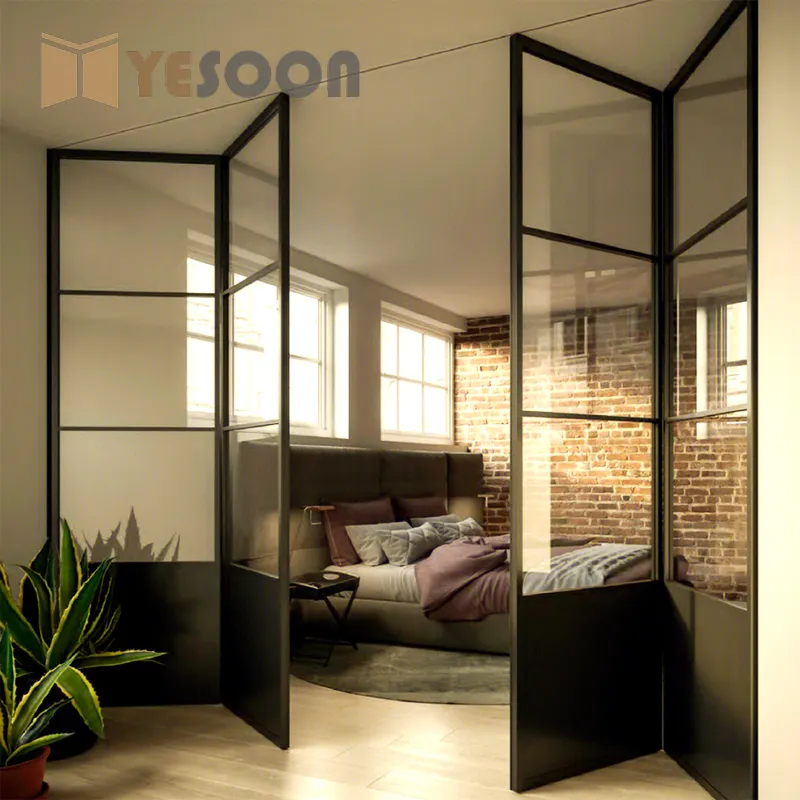
Fire-protective vs fire-resistive glass

Common standards and ratings
| Standard | Region | Typical rating |
|---|---|---|
| UL 10B / UL 10C | North America | 20-180 minutes |
| BS 476 | United Kingdom | 30-120 minutes |
| EN 1634 | Europe | EI 30 to EI 120 |
| ASTM E119 | North America | 60-180 minutes |
Buying checklist for fire-rated glass assemblies
- Confirm which standard your local code and authority require
- Define the maximum opening size and glazing type
- Check whether the frame, hinges, and glass are tested together
- Confirm the hardware and closer are part of the rated assembly
- Request the test report and product label details
FAQ
Can I use ordinary tempered glass in a fire-rated door?
No. Tempered glass can break under fire conditions. Fire-rated glazing must be tested to the required standard and installed in a certified frame.
What does EI 60 mean on a fire-rated window?
EI 60 means the assembly maintains integrity (E) and insulation (I) for 60 minutes under the European EN test method. Integrity alone, without insulation, is a lower performance class.
Do fire-rated glass doors need special hardware?
Yes. Self-closing devices, positive latching, intumescent seals, and fire-rated hinges are usually part of the tested assembly. Changing hardware can invalidate the rating.
Send your opening schedule to Yesoon Door for certified fire-rated door and window assemblies. Start with our complete fire rated door buyer’s guide.
Related Products
Browse fire rated windows, fire doors and windows and more factory direct door and window solutions.
Request a quote
Tell us the opening size, project location, quantity and any required certification. We will confirm the specification, lead time, export documents and factory price.