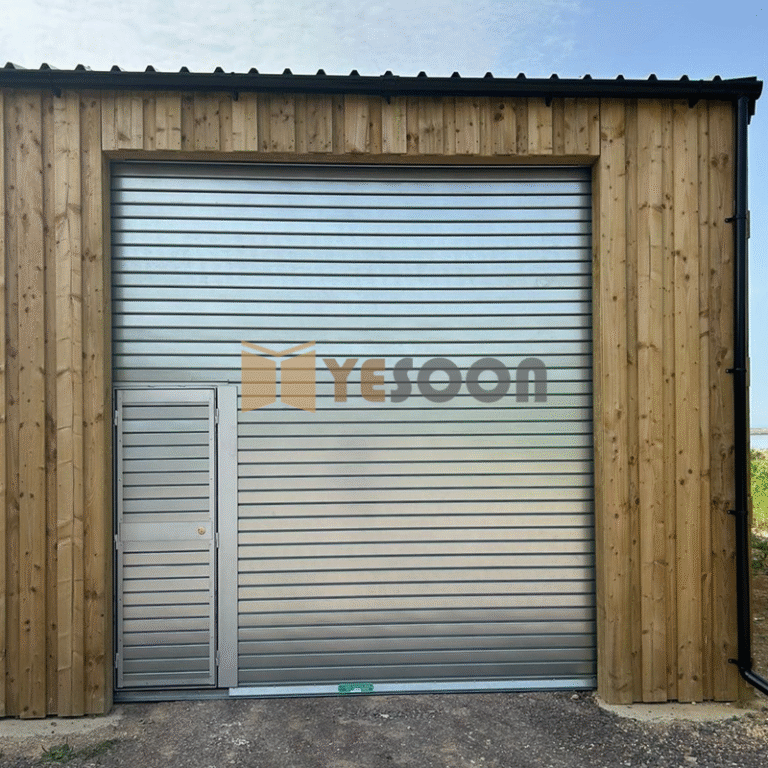
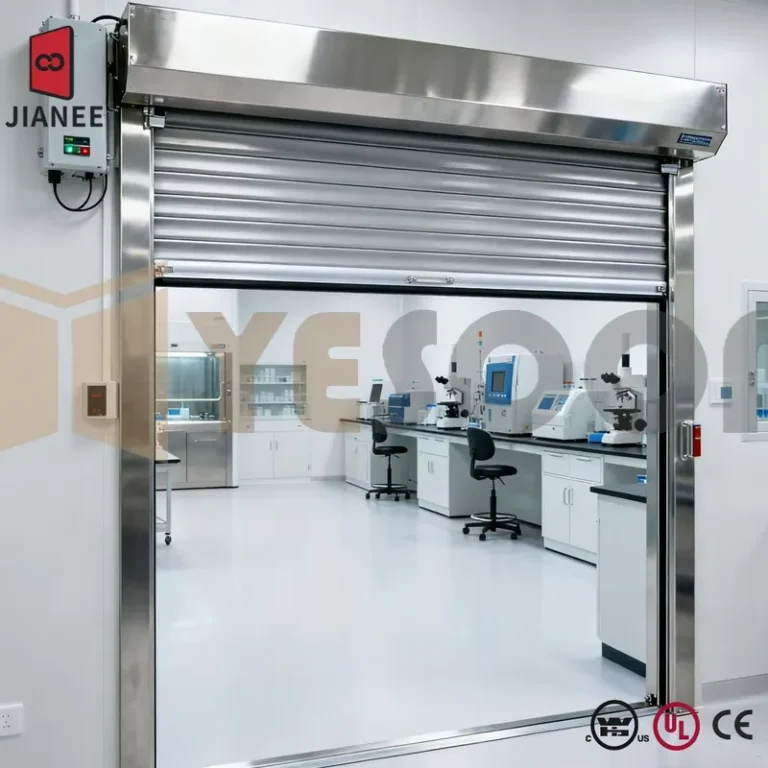
Fire rated doors are not ordinary doors. They are tested assemblies designed to contain fire, limit smoke, and protect escape routes in hotels, factories, hospitals, and commercial buildings. This guide explains the ratings, certifications, materials, and buying steps you need before placing an order.
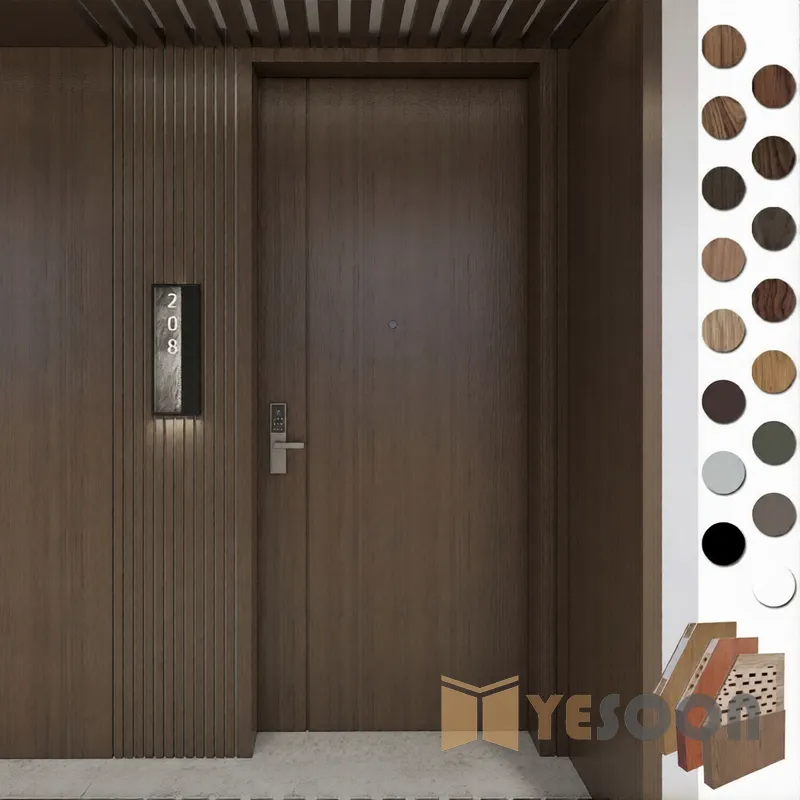
What is a fire rated door?
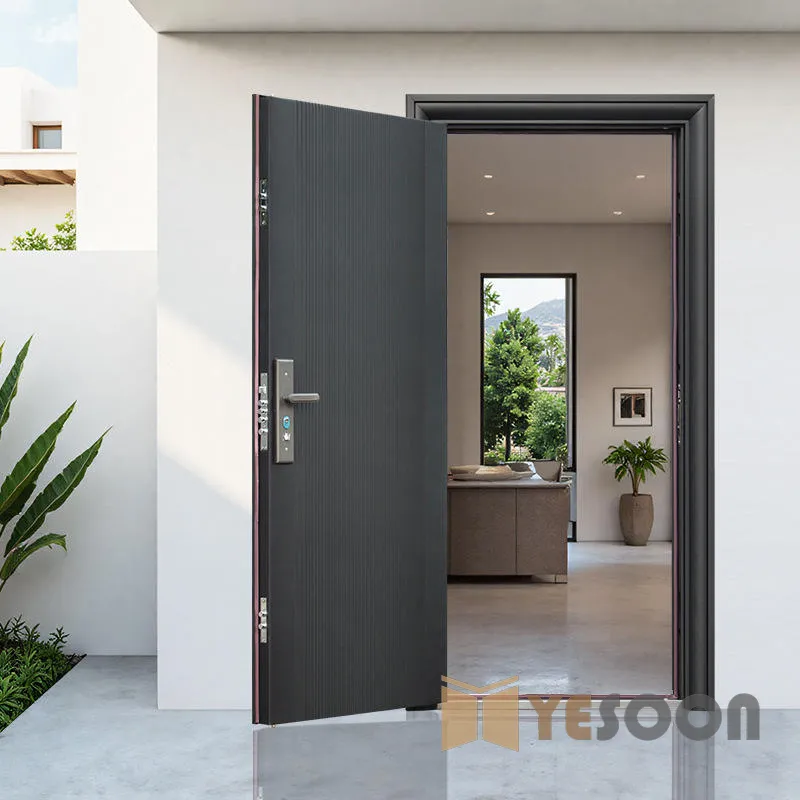
A fire rated door system includes the door leaf, frame, hinges, closing device, glazing, seals, and hardware. If any part is changed, the fire rating may no longer be valid. That is why certified suppliers provide complete assemblies and clear documentation.
Common fire ratings and what they mean
| Rating | Typical use | Example standard |
|---|---|---|
| 20 minutes | Covered corridors, limited openings | UL 20 minute |
| 45-60 minutes | Apartment and hotel room doors | UL 45/60 minute |
| 90 minutes | Stairwells, exit routes | UL 90 minute |
| 120-180 minutes | High-risk industrial and commercial walls | UL 3-hour |
Steel, wood, or composite?
Steel fire doors
- High durability and impact resistance
- Wide range of fire ratings
- Better for industrial and high-traffic buildings
Wood fire doors
- Better interior appearance
- Common in hotels and apartments
- Requires matching frame and hardware
Composite and WPC doors
- Moisture resistant
- Lighter in some applications
- Confirm the fire rating before specifying
For commercial projects, steel fire doors are often the safest default because they can achieve higher ratings and withstand daily use. Browse certified fire rated doors and windows to compare options.
Certification checklist
- Request the test report, not only a brochure
- Confirm the certification covers the full assembly
- Verify the label on the actual door matches the order
- Check frame profile and wall opening details
- Confirm shipping marks and documentation for customs
FAQ
What is the difference between UL and CE certification?
UL certification is widely used for the North American market and includes fire endurance testing. CE marking demonstrates compliance with applicable EU standards and may be required for European projects. Always confirm which certificate your local authority requires.
Can a fire rated door be cut or modified on site?
No. Cutting, drilling, or changing hardware can invalidate the fire rating. Specify the exact opening and hardware requirements before production.
How long does delivery take for custom fire doors?
Lead time depends on size, finish, certification, and quantity. Factory direct suppliers can usually confirm a realistic production and shipping schedule before you place the order.
Contact our factory direct team at Yesoon Door for certified fire door solutions. Yesoon Door
For project pricing and export documents, see our fire rated roller door page and our Africa project export page.
Related Products
Browse fire rated doors, fire doors and windows and more factory direct door and window solutions.
Request a quote
Tell us the opening size, project location, quantity and any required certification. We will confirm the specification, lead time, export documents and factory price.